Exploring Payment Pathways and VIP Tier Integration in Mobile Live Dealer and Slot Platforms
Henrik Roth · Aug 28, 2026
Exploring Payment Pathways and VIP Tier Integration in Mobile Live Dealer and Slot Platforms
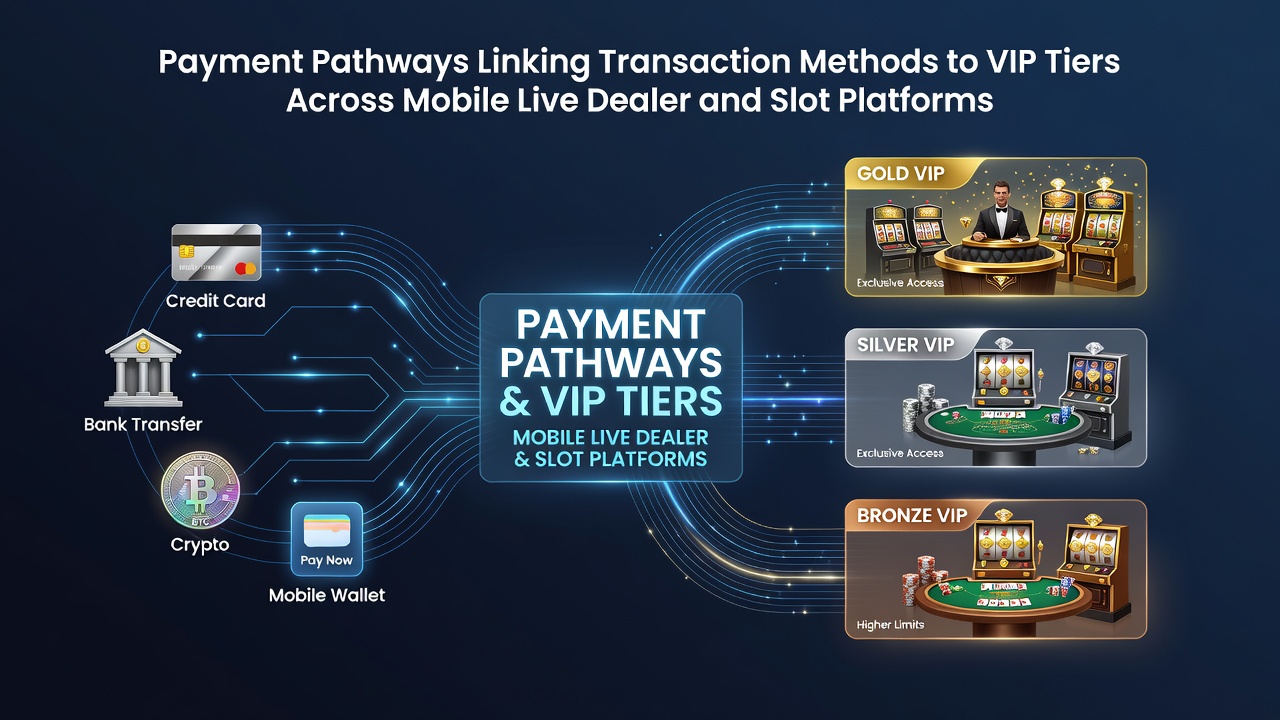
Payment pathways in mobile live dealer and slot platforms connect specific transaction methods directly to player progression through VIP tiers, and operators structure these systems so that deposit speed, withdrawal efficiency, and method type influence how quickly users advance between levels. Data from industry reports indicate that credit card transactions often grant immediate tier points while e-wallet options like digital wallets provide accelerated verification for higher status, whereas cryptocurrency transfers frequently link to exclusive loyalty multipliers across both live dealer tables and slot machines.
Common Transaction Methods and Their Platform Roles
Bank transfers, credit and debit cards, electronic wallets, and digital currencies each follow distinct routes that feed into tier calculations, and platform algorithms assign points based on transaction volume and frequency rather than solely on total spend. Observers note that mobile users who rely on instant e-wallets often reach mid-tier status faster because these methods reduce processing delays, while those using traditional cards encounter additional verification steps that can slow point accumulation in live dealer environments and slot sessions alike.
Studies show that slot platforms tend to reward high-frequency small deposits with steady tier movement, whereas live dealer sections prioritize larger single transactions that demonstrate sustained engagement. This distinction creates separate pathways where a player shifting between game types must adapt their chosen payment method to maintain momentum toward premium benefits such as personalized account managers and priority access to new releases.
Structure of VIP Tiers Across Mobile Platforms
VIP programs typically organize into five to seven ascending levels, and each tier unlocks progressive advantages tied explicitly to payment behavior including deposit limits, cashback percentages, and withdrawal speed. Researchers have documented that entry-level tiers accept nearly all standard methods, yet advancement to upper tiers requires consistent use of approved high-volume options that platforms track through integrated mobile apps.
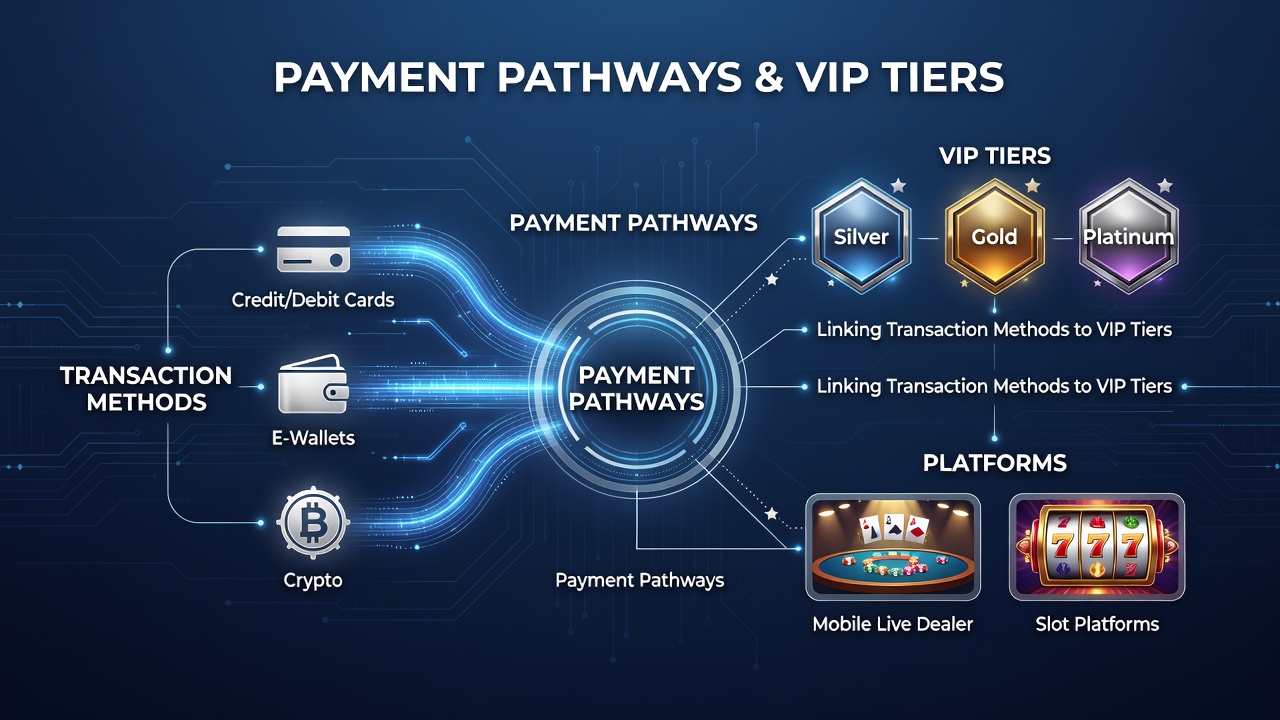
According to the Nevada Gaming Control Board, regulatory frameworks require transparent disclosure of how transaction data influences loyalty status, and similar guidelines appear in other jurisdictions. Platforms operating in August 2026 continue to refine these linkages as mobile technology allows real-time tracking of payment patterns that directly feed into tier algorithms for both live dealer and slot categories.
How Payment Choices Influence Tier Advancement
Direct bank transfers often carry higher minimum thresholds that align with upper-tier requirements, and users who select these routes report quicker approval for premium features once volume thresholds are met. In contrast, cryptocurrency pathways frequently bypass certain verification layers, allowing faster point crediting that benefits mobile players switching between live tables and slot reels within the same session.
One analysis from the Australian Gambling Research Centre highlights regional variations where payment method preferences correlate with tier retention rates, and operators adjust bonus structures accordingly. Mobile live dealer platforms emphasize secure, traceable methods for high-stakes play while slot environments reward volume regardless of method, creating parallel yet interconnected advancement systems.
Mobile-Specific Considerations for Live Dealer and Slots
App-based interfaces streamline payment entry so that saved methods automatically log points toward VIP status, and developers integrate these features to reduce friction during live sessions or rapid slot spins. Data indicates that players maintaining multiple saved payment options across categories achieve more consistent tier progression because they can select the method best suited to each game type without interrupting play.
Live dealer sections on mobile require stable connections for payment confirmations that trigger tier updates, while slot platforms tolerate brief interruptions since automated systems continue tracking activity. Those who have examined platform architectures note that hybrid users benefit from unified dashboards displaying combined points from both game formats, encouraging cross-category engagement through shared payment pathways.
Conclusion
Payment pathways continue to shape VIP tier access on mobile live dealer and slot platforms through measurable connections between transaction methods and loyalty metrics, and regulatory oversight ensures these linkages remain documented for users. As platforms evolve in 2026, the integration of new payment technologies will likely refine how quickly and efficiently players move between status levels across both game categories.